HEXANA, a French fourth-generation nuclear start-up
HEXANA, an energy solution for the future
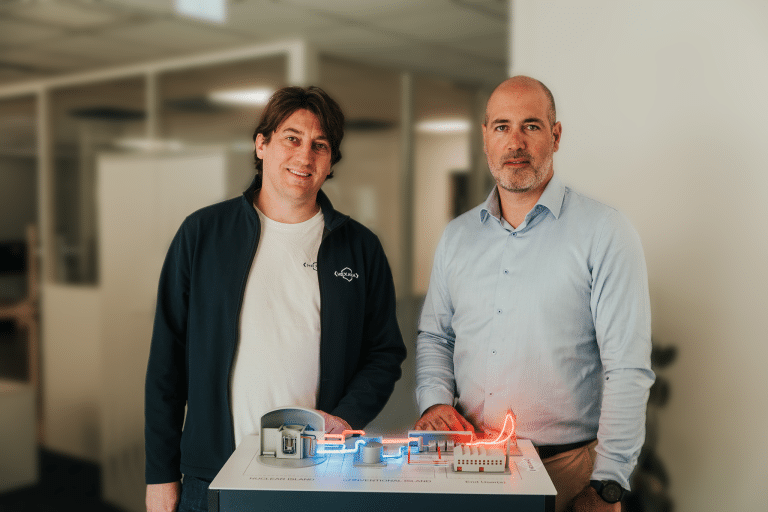
HEXANA is developing a cogeneration energy solution, based on a small modular reactor (SMR), combining electricity production, high-temperature heat supply, and thermal storage, designed to meet the needs of energy-intensive industries and electricity grids. Through this platform, the company aims to contribute to industrial decarbonization while supporting the challenges of competitiveness, energy resilience, and industrial sovereignty.
A spin-off from the CEA, HEXANA relies on sodium-cooled fast neutron reactor technology and an integrated thermal storage system to develop a flexible, low-carbon-emitting energy offering. This approach is aimed at meeting the needs of industrial players and data centers seeking a reliable, continuous energy supply that can be tailored to their specific uses.
The company builds its solution in close interaction with its future users, in order to tailor its services to market needs. By combining nuclear power generation and thermal storage, HEXANA intends to offer a solution capable of bringing greater flexibility to energy supply, while providing better visibility on long-term energy costs — a major challenge for energy-intensive industries.
Our progress in numbers
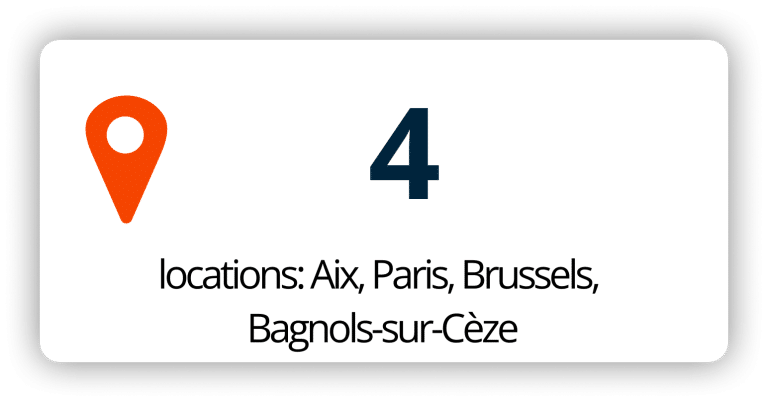
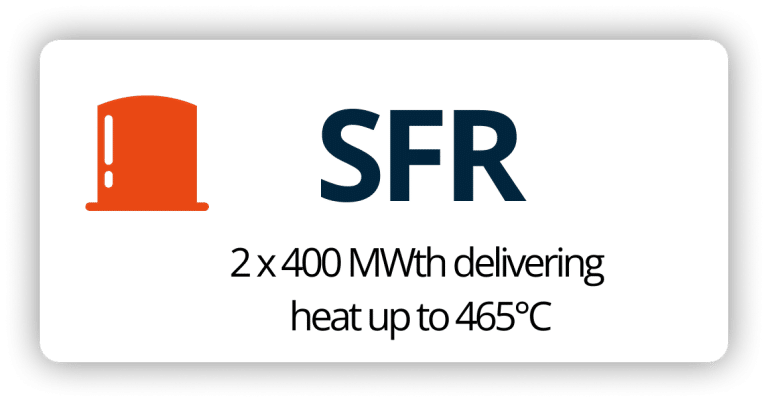
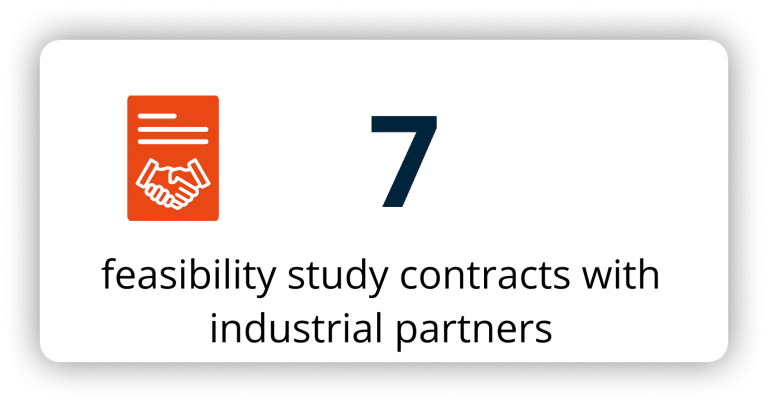
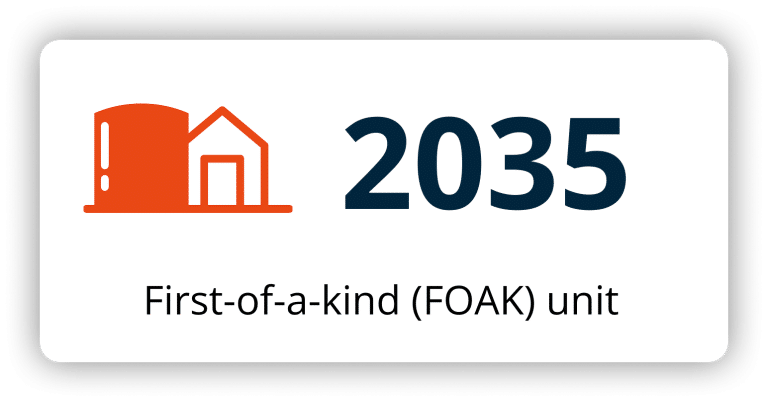
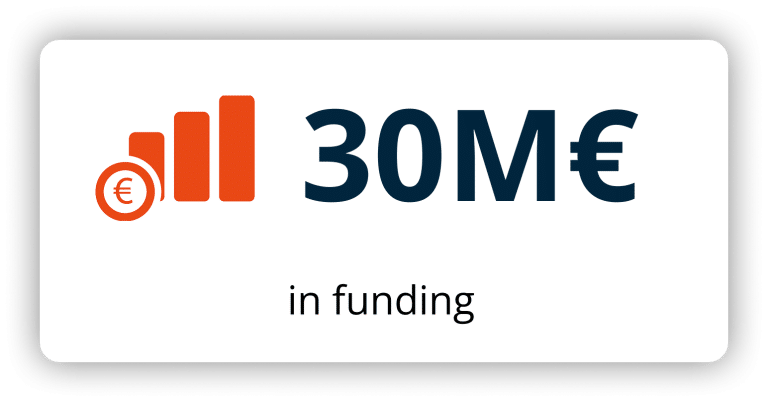
HEXANA reinvents the uses of nuclear power to meet energy needs that are currently insufficiently covered, yet have become essential to Europe’s decarbonization and reindustrialization.
To achieve this, the company draws on the unique operational experience of the historic nuclear industry, a strategy of limited technological innovation strategy of minimizing technological innovation on systems located on the qualification critical path regarding qualification and deployment and a strong network of partners.
Supporting European decarbonization and reindustrialization
HEXANA is developing a cogeneration energy solution that simultaneously produces low-carbon electricity and high-temperature heat. Its value proposition addresses the competitiveness, resilience, and decarbonization needs of major strategic European industries, whose processes require abundant, dispatchable, and decarbonized energy.
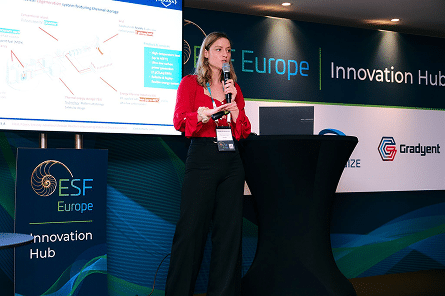

Providing a flexible and efficient solution for the power system
At the same time, HEXANA supports the development of intermittent renewable energy by providing flexible, ultra-low-carbon electricity generation while helping to limit system costs. Its technology thus contributes to the stability and flexibility of power grids while resolving the historic dilemma of nuclear load-following, reconciling dispatchability, competitiveness, and decarbonization.
Strengthening European energy security
The energy crises of 2022 and 2026 highlighted Europe’s vulnerability to external dependencies and the need to secure our energy supplies. Nuclear power is, de facto, a matter of sovereignty. HEXANA goes a step further by proposing the use of MOX fuel derived from the reprocessing of spent fuel. This approach makes it possible to unlock the value of resources already present within European territory, limit uranium imports, and thus ensure better long-term control of operating costs, a major challenge for industry.
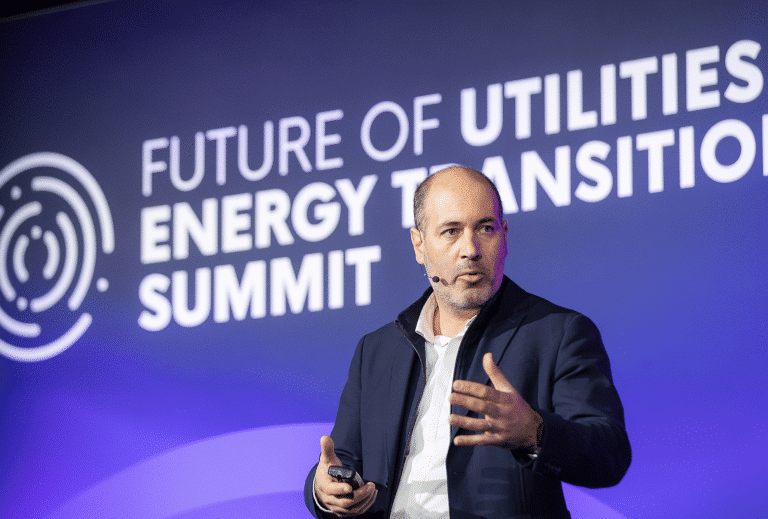

Launching industrial deployment
In just three years, HEXANA has completed its transition from an engineering company to an industrial company, now having the maturity needed to industrialize, deploy at scale, and commercialize its energy platform, without going through the step of a prototype or intermediate demonstrator. This head start allows it to work with its future customers today, to ensure the technical, economic, and regulatory compatibility of its solution and, ultimately, to facilitate the signing of long-term contracts.
An ambitious and credible execution strategy
Faced with the urgency of decarbonization, HEXANA has made a strategic choice: to limit technological breakthroughs especially particularly in systems that lie on the qualification critical path, and rely on established players in the industry in order to minimize time-to-market. The maturity of its solution and its industrial choices make it possible to expect large-scale deployment in 2035, an ambitious goal built on pragmatic choices and a network of established partners to ensure its delivery.