A mature and proven fast-neutron SMR technology, adapted to serve new needs
A nuclear energy platform to decarbonise industry and generate flexible electricity
A modular system tailored to the needs of industry

High-temperature heat

Flexible electricity

Cogeneration: flexible combined heat and power
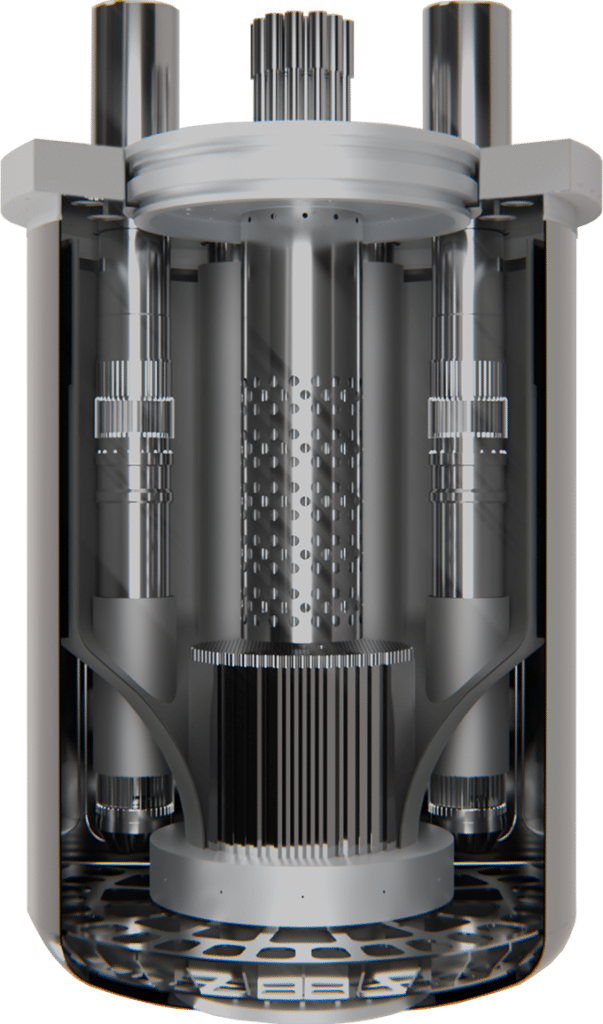
At the heart of the HEXANA platform is a sodium-cooled fast neutron reactor
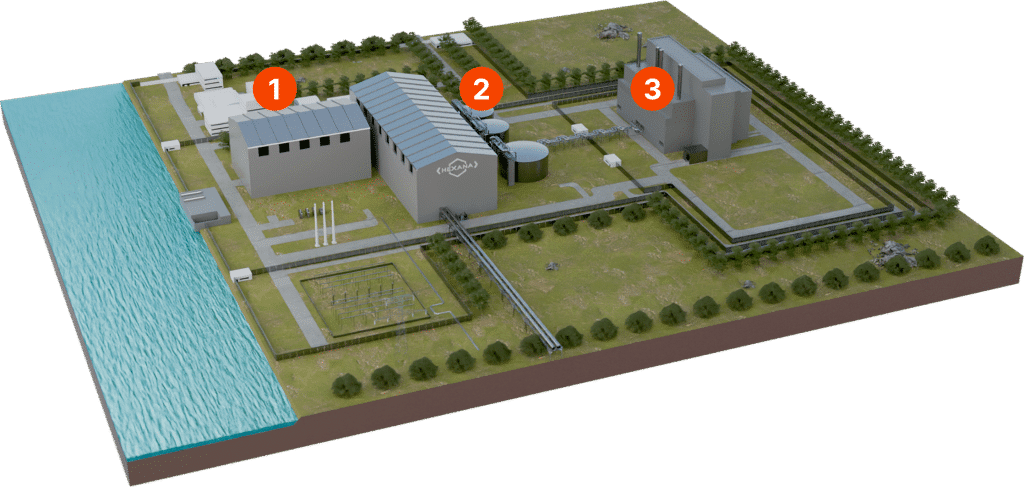
HEXANA is developing an energy platform that integrates a pair of sodium-cooled fast neutron reactors with a molten salt thermal storage system.
This technology enables the production of high-temperature heat to decarbonise industrial areas, as well as flexible electricity that contributes to the efficient integration of renewable electricity into the grid.
HEXANA’s energy platform draws on France’s extensive experience with sodium-cooled fast neutron reactors. By incorporating the industry’s experience, HEXANA significantly reduces qualification risks and positions itself to begin commercial deployment by around 2035.
Thermal storage: a strategic asset
Unmatched flexibility through the reactor–molten salt coupling
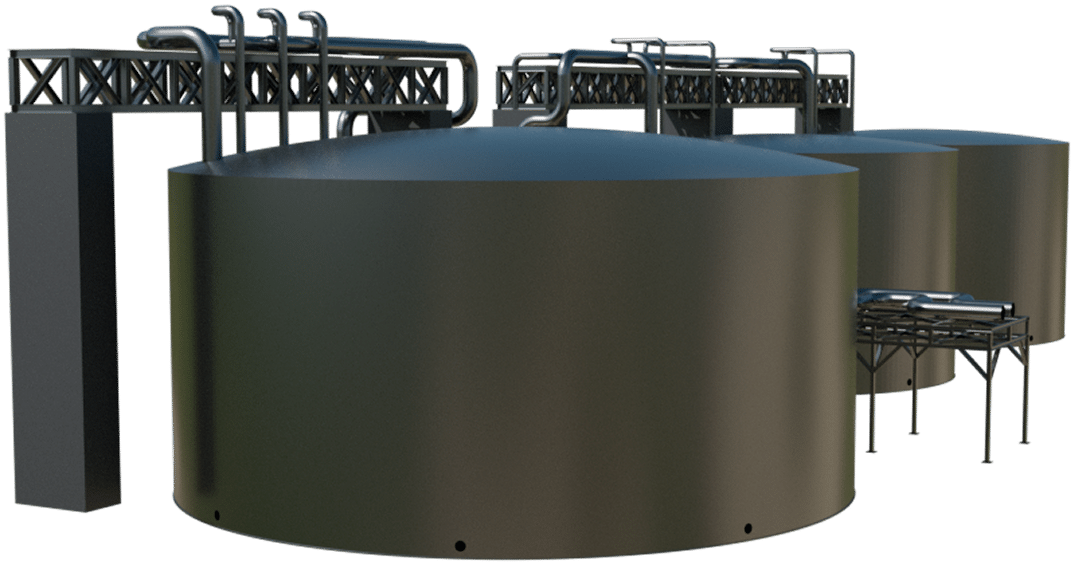
Thermal storage: an innovation at the heart of the HEXANA project. One of HEXANA’s major innovations lies in the integration of its nuclear reactors with a thermal storage system using molten nitrate salts. This approach delivers tangible benefits in three key areas.
In terms of safety, molten salt storage enables the sodium and water circuits to be physically separated, thereby eliminating by design any risk of a sodium-water reaction.
From an industrial perspective, it allows for geographical decoupling between the nuclear island and the conventional island, which may be separated by distances ranging from a few hundred meters to several kilometers. This ability to maintain distance is invaluable for decoupling the risks associated with the nuclear island from those associated with customer industries.
From an economic perspective, it provides flexibility in electricity generation without impacting the reactor itself, which continues to operate continuously at rated power. Given the widespread roll-out of renewable energy and the phased closure of fossil-fuel power stations, the value of this flexibility service is set to increase structurally.
Conventional island: heat, electricity, and industrial flexibility

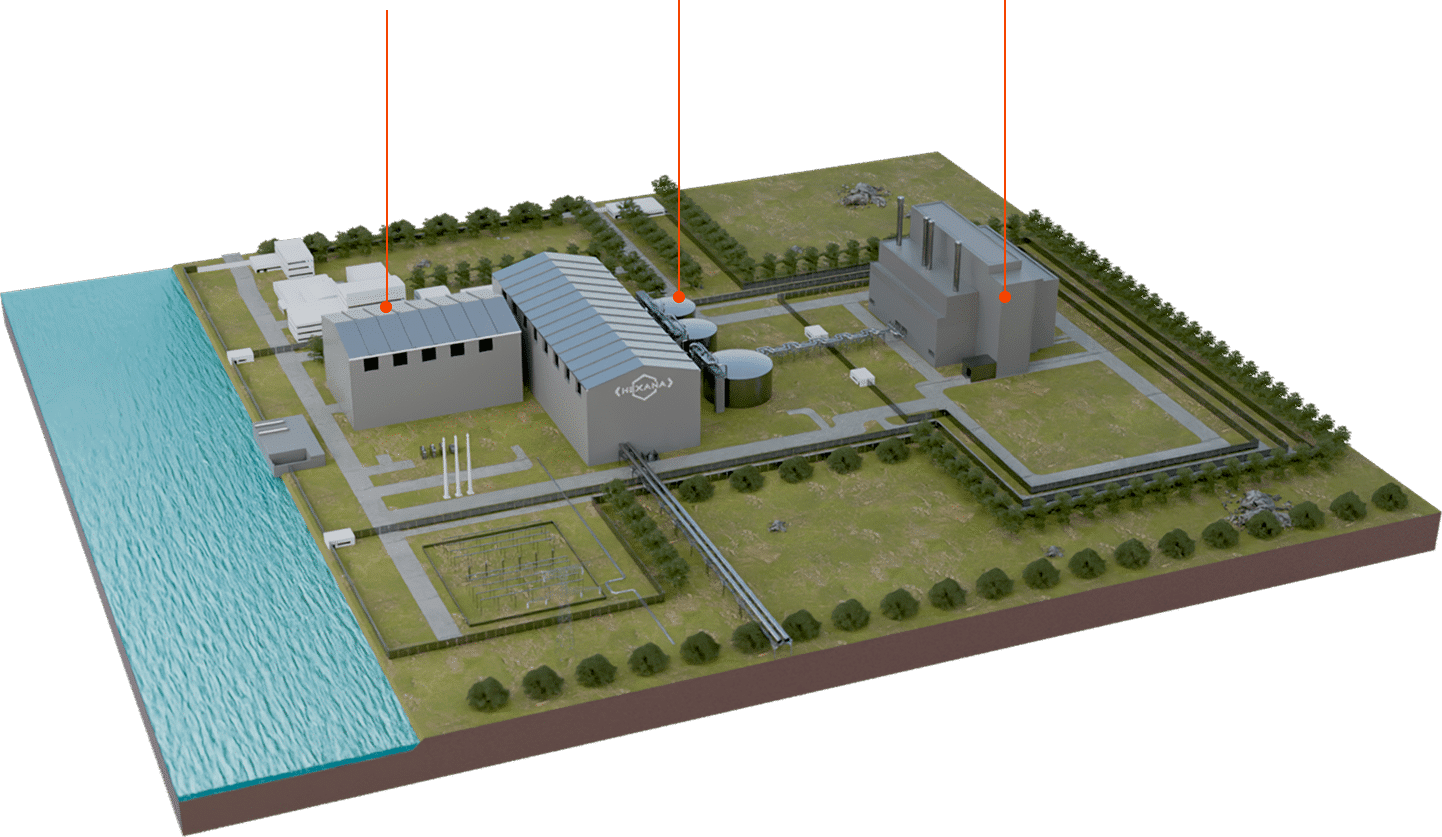
The conventional island: flexibility and proximity to industry
Located some distance from the nuclear island and as close as possible to industrial customers, the conventional island transfers high-temperature heat (stored using molten salts) to industrial heating networks at various temperature levels, whilst converting part of this energy into flexible electricity via a conventional Rankine cycle.

High availability, designed for industry
Thanks to the centralised thermal storage system and staggered maintenance of the reactors, the conventional unit benefits from a guaranteed high availability factor – an essential asset for meeting the continuity requirements of the most demanding industrial sites.

Tailoring to customers’ needs is entirely dependent on the conventional island
Whilst the nuclear island is designed to be always the same, the conventional island is fully adaptable to each installation: heat-to-electricity ratio, storage capacity, local configuration, etc. Each installation is designed to meet the customers’ specific needs.
Our HEXAtech
Dive into the technical topics that are part of our daily work at HEXANA. We’ll take you behind the scenes of our engineering: neutronics, safety, design, industrialization… Complex subjects decoded by our engineers, to help you better understand the challenges we tackle every day.
For the moment, HEXATech publications are only available in French.